
HIV
Quasi-experimental study of Malaria and HIV-Prevention Programming among School Pupils in Nigeria
2014
Brief Summary
Background
Malaria and HIV/AIDS are both major public health threats among school-age children in Lagos, Nigeria, where many students lack basic knowledge about how to prevent these diseases.
What Grassroot Soccer did
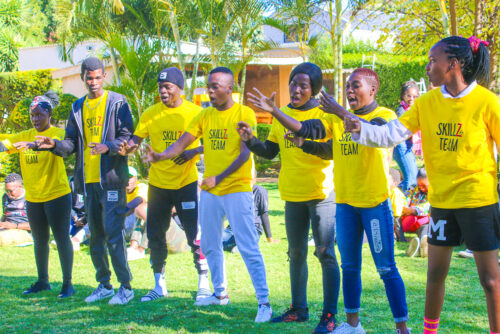
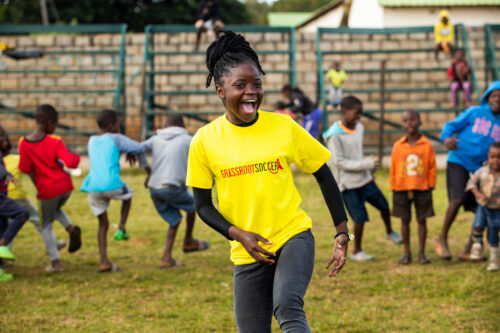
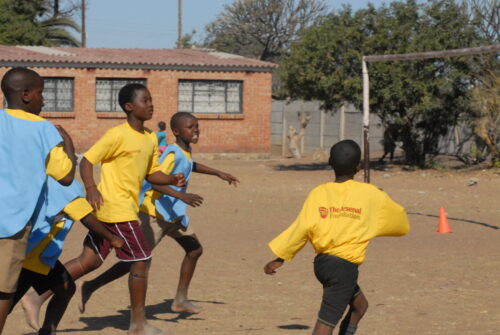
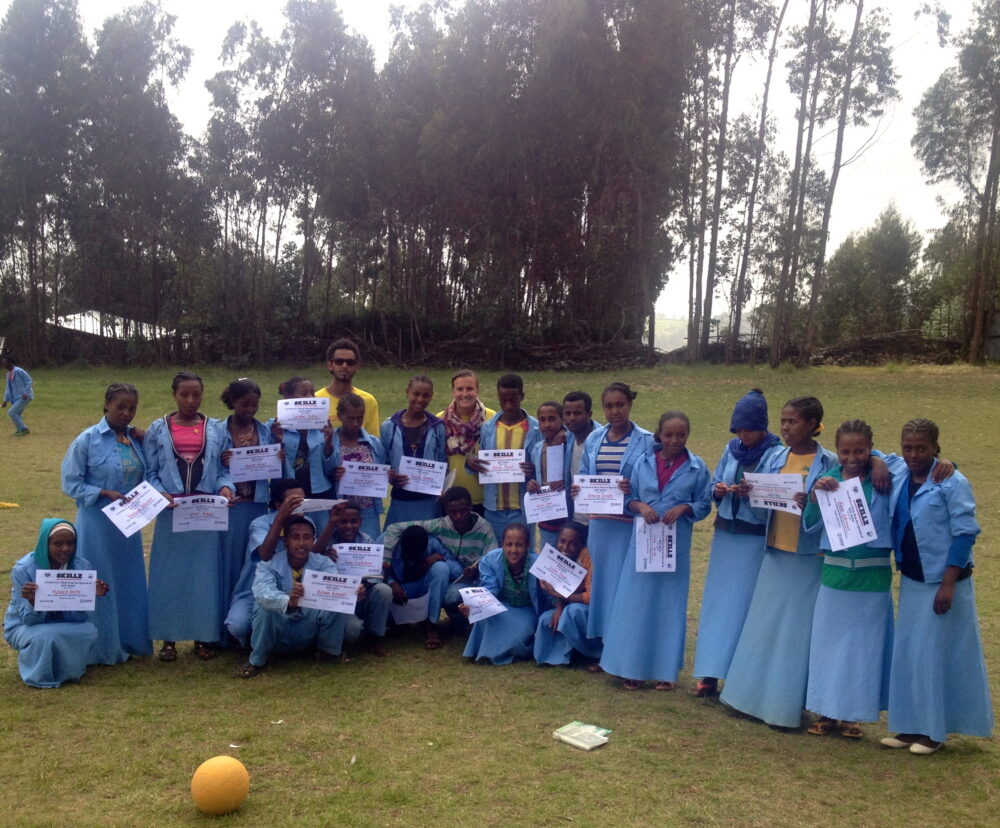
Grassroot Soccer's partner organization, the Youth Empowerment and Development Initiative (YEDI), delivered a football-based health education program to primary and junior secondary school pupils in Lagos State, Nigeria, teaching them about malaria and HIV/AIDS prevention alongside life skills.
What the study found
Pupils in schools where the program was implemented showed improvements in their knowledge of malaria and HIV/AIDS prevention, though the gains were inconsistent and sometimes similar to changes seen in schools that did not receive the program.
Why this matters
Findings suggest that football-based health education holds promise for teaching young people about malaria and HIV/AIDS prevention, while highlighting the need to refine program design and delivery to achieve more consistent results in under-resourced school settings.
DETAILED SUMMARY
Importance
- Malaria and HIV/AIDS remain major public health threats in Nigeria, particularly among children and adolescents.
- While football-based health education (Grassroot Soccer’s model, delivered locally by the Youth Empowerment and Development Initiative, or YEDI) had previously been used to build HIV-related knowledge and life skills among youth in other countries, no data existed on whether this approach could also build malaria-related knowledge, and its impact had not previously been independently evaluated in Nigeria.
Objective
- To assess whether a football-based health education program is effective in changing malaria- and HIV-related knowledge, attitudes, self-reported behavior, and communication among primary and junior secondary school pupils in Lagos State, Nigeria.
Study details
- Study design: Quasi-experimental study; included a control group
- Data collection tools: Pre- and post-intervention structured questionnaires (n = 640: 320 intervention, 320 control); 16 focus group discussions with pupils and Coaches; 6 key informant interviews with school teachers/Game Masters serving as Coaches
- Participants: Mixed gender primary and junior secondary school pupils aged 11-15 years, teachers/Game Masters, Coaches
- Implementation setting: 16 public primary and junior secondary schools across three Local Government Areas (Agege, Apapa, and Mushin) in Lagos State, Nigeria (urban)
- Study period: May 2014 to July 2014 (pre-assessment in May; post-assessment in July)
Intervention
- YEDI Grassroots Soccer: A football-based health education program, adapted from Grassroot Soccer’s SKILLZ curriculum by the Youth Empowerment and Development Initiative (YEDI), delivered by trained school Game Masters serving as near-peer Coaches to teach pupils about malaria and HIV/AIDS prevention alongside basic life skills through soccer-based activities.
Results
- A total of 640 pupils (320 intervention; 320 control) completed structured pre- and post-intervention questionnaires, alongside 16 focus group discussions and 6 key informant interviews with school teachers/Coaches.
- Malaria-related knowledge improved in both groups following the intervention, with knowledge of the parasite causing malaria increasing more in intervention schools (from 26.6% to 50.6%) than in control schools (from 29.2% to 43.8%).
- Knowledge of HIV/AIDS definitions, modes of transmission, and abstinence as a prevention method improved significantly more among pupils in intervention schools compared with control schools.
- Willingness to associate with and care for people living with HIV increased in the intervention group, with fewer pupils reporting they would avoid an HIV-positive friend after program participation.
- Despite these gains, results were inconsistent: knowledge gaps remained high in both groups, and some outcomes (e.g., peer-pressure resistance related to HIV prevention) showed no significant improvement in the intervention group.
- About 90% of participants had never been tested for HIV, though over 60% expressed willingness to be tested.
- Quote: “…our paramount objective is to educate the kids.” (Coach)
Conclusions and implications
- The YEDI Grassroots Soccer initiative shows promise in building malaria- and HIV-related knowledge among school pupils in Lagos, Nigeria, though inconsistent gains relative to the control group suggest the curriculum could be strengthened.
- Recommended improvements include shortening the curriculum content, tailoring it to junior and senior age groups, and building stronger follow-up mechanisms to sustain knowledge gains.
Citation
Evaluation of knowledge and attitude of school pupils on malaria and HIV/AIDS prevention through the Grassroot Soccer initiative in Lagos, Nigeria [unpublished report]. Lagos (Nigeria): Youth Empowerment and Development Initiative (YEDI); 2014 Jul.
Partners
Youth Empowerment and Development Initiative (YEDI)
Lagos State Ministry of Education
Funder
Grassroot Soccer
Other Resources
Mixed methods evaluation of mental health integration into SKILLZ Core, SKILLZ Girl, and SKILLZ Guyz among adolescents in Zambia
Mixed methods evaluation of SKILLZ to expand community-based distribution of contraceptives among adolescents in Zambia