

Health services, HIV, Sexual & reproductive health
2022
Adolescent girls in rural Malawi continue to face significant barriers to accessing gender-based violence support and sexual and reproductive health services, despite sustained attention to women's and adolescent health in the region.
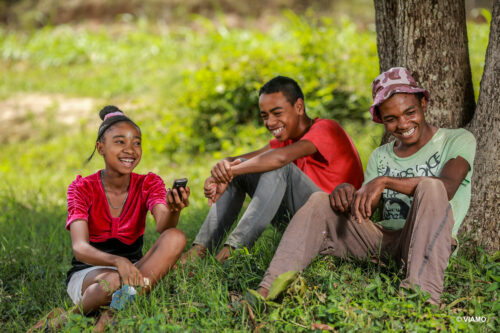
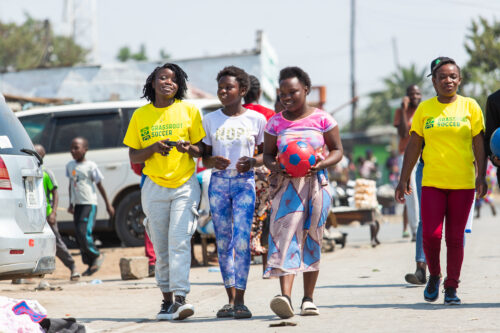
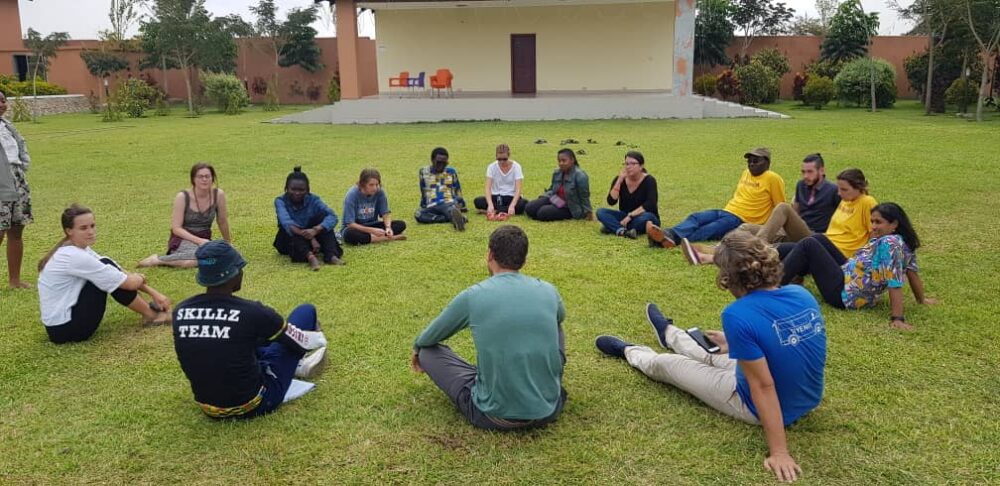
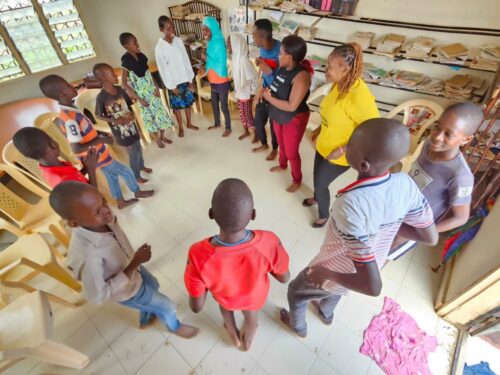
Grassroot Soccer used Participatory Action Research and theater-based workshops in Neno District, Malawi, bringing together adolescents participating in SKILLZ Bwalo La Achinyamata and local healthcare workers to explore shared experiences and build mutual understanding.
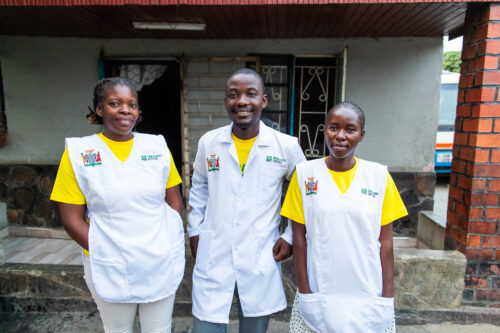
Youth described forms of violence often invisible to adults, while healthcare workers were found to restrict adolescents' access to services based on conservative gender beliefs. Despite this, both groups shared a vision for more respectful, youth-friendly care.
This research highlights how healthcare systems can inadvertently exclude the young people they are meant to serve. Participatory methods like theater-based workshops offer a promising way to surface hidden realities and build the provider-youth trust necessary for equitable health services.
Three-fold goal to: (1) assess the challenges faced by adolescent SKILLZ participants in seeking gender-based violence (GBV) and sexual reproductive health (SRH); (2) assess the challenges faced by healthcare workers in providing GBV and SRH care; and (3) build a shared understanding between SKILLZ participants and healthcare workers about what composes gender-sensitive, youth-friendly SRH and GBV care.
Year: 2022
Authors: Grassroot Soccer, Abwenzi Pa Za Uyomo/Partners In Health
Grassroot Soccer, Abwenzi Pa Za Uyomo/Partners In Health. No Woman or Girl Left Behind (NWOGLB) Participatory Action Research (PAR) Summary [presentation]. Neno District, Malawi; 2022 Aug 5.
Neno District Ministry of Health
Abwenzi Pa Za Uyomo/Partners In Health
Grassroot Soccer
Global Affairs Canada