

HIV, Implementation, Resilience

Mixed methods study of SKILLZ to promote voluntary medical male circumcision among adolescent male secondary students in Uganda

2017

Brief Summary

Background

Voluntary medical male circumcision significantly reduces men's risk of contracting HIV, but in the mid-2010s, Uganda was struggling to meet national circumcision targets. Reaching adolescent boys through traditional health services remained a challenge.

What Grassroot Soccer did

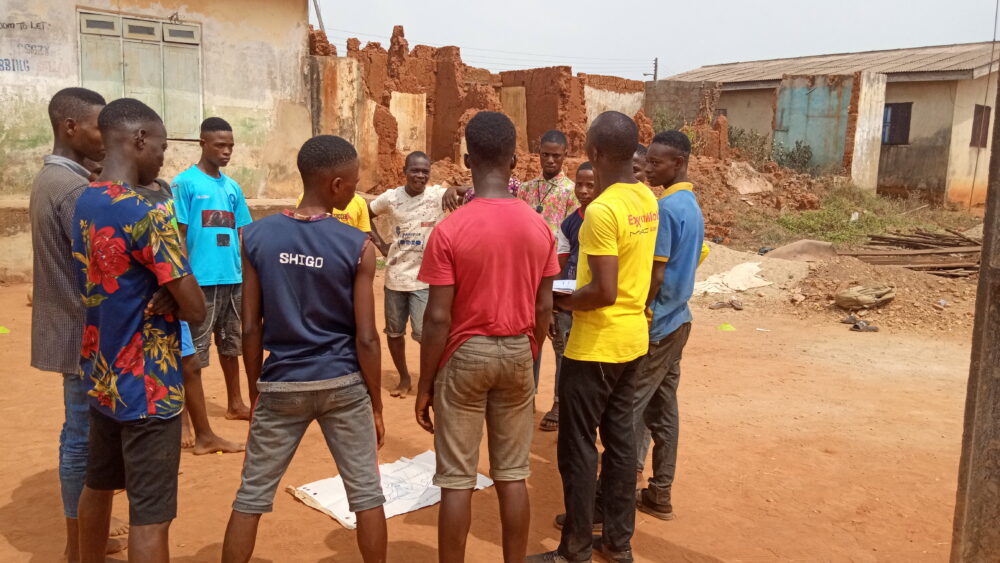
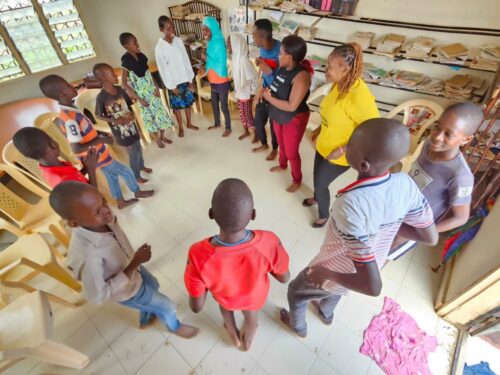
Grassroot Soccer piloted Make the Cut, a peer-led program, across four secondary schools in Entebbe, Uganda. Recently circumcised peer educators led 60-minute sessions with 210 adolescent boys and young men, using soccer and personal storytelling to encourage voluntary medical male circumcision.

What the study found

Participants showed high levels of HIV knowledge and largely favorable views of circumcision. Circumcision uptake among uncircumcised participants improved after the program was refined.

Why this matters

These findings suggest Make the Cut is a feasible, acceptable approach for promoting voluntary medical male circumcision among adolescent boys, with peer education playing a key role in influencing decisions.

DETAILED SUMMARY

Importance

  • Uncircumcised men are at greater risk of contracting HIV compared to circumcised men. In Uganda, 2.7 million were circumcised as of 2013, short of the 2025 goal of 4.2 million.
  • Grassroot Soccer developed and implemented “Make the Cut” to improve knowledge, attitudes and beliefs surrounding voluntary medical male circumcision (VMMC) within a Ugandan government VMMC-promotion initiative.

Objective

  • To determine the knowledge, attitudes and perceptions towards VMMC held by secondary school age male adolescents and young adults in four schools located in the Entebbe subdistrict of Wakiso, Uganda.
  • To assess the feasibility and acceptability of the Make the Cut program and its potential effect on VMMC uptake.

Study details

  • Study design: Mixed methods design; no comparison group.
  • Data collection tools: Attendance registers, pre- and post-questionnaires, quantitative cross-sectional survey; qualitative in-depth interviews
  • Participants: Adolescent boys and young men (n = 210) both circumcised and uncircumcised; Make the Cut “Coaches” (peer educators); median age was 16 years (IQR 15-17) years.
  • Implementation setting: Peri-urban setting: four secondary schools in Entebbe, Wakiso District, Uganda.
  • Study period: October 2015 – July 2016 (9 months)

Intervention

  • Make the Cut: recently circumcised peer educators (referred to as Coaches) conduct a 60-minute, experience-based learning seminar which involves multiple parts including: a penalty shoot out which serves as a metaphor for HIV prevention, a discussion on the role of condoms, and the sharing of personal stories of circumcision by peer educators.

Results

  • 210 participants enrolled in the quantitative cross-sectional survey. Survey results demonstrated a higher rate of self-reported VMMC (59%) among adolescents compared to the adult Ugandan population (33%) and high levels of knowledge about circumcision. 82% reported a favorable view of circumcision.
  • Qualitative data addressed the roles of family and social support, Coaches and external life challenges on decisions to seek out VMMC. Circumcised participants noted that they had strong familial backing and access to Coaches who provided support. Uncircumcised participants who intended to seek out VMMC reported external life challenges or a lack of support as factors shaping their decision-making.
  • Initial implementation resulted in 6/58 (10%) of uncircumcised boys becoming circumcised. After programmatic changes, circumcision uptake improved to 18/69 (26%).

Conclusions and implications

  • Make the Cut shows promise in increasing VMMC uptake. The intervention is time-intensive and its cost-effectiveness needs assessment.

Citation

DOI

Year: 2017

Authors: Miiro G, DeCelles J, Rutakumwa R, Nakiyingi-Miiro J, Muzira P, Ssembajjwe W, Musoke S, Gibson LJ, Hershow RB, Francis S, Torondel B, Ross DA, Weiss HA

Miiro G, DeCelles J, Rutakumwa R, Nakiyingi-Miiro J, Muzira P, Ssembajjwe W, Musoke S, Gibson LJ, Hershow RB, Francis S, Torondel B, Ross DA, Weiss HA. Soccer-based promotion of voluntary medical male circumcision: a mixed-methods feasibility study with secondary students in Uganda. PLoS One. 2017 Oct 9;12(10):e0185929. doi:10.1371/journal.pone.0185929.

Other Resources