Health communication, Mental health, Resilience

Mixed methods study of MindSKILLZ among adolescents in Zimbabwe

2025

Brief Summary

Background

Adolescents in Zimbabwe face high rates of depression, suicidal ideation, and mental health stigma, with few scalable, community-based programs available to support their wellbeing.

What Grassroot Soccer did

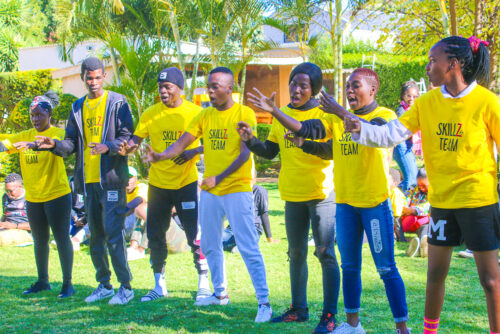
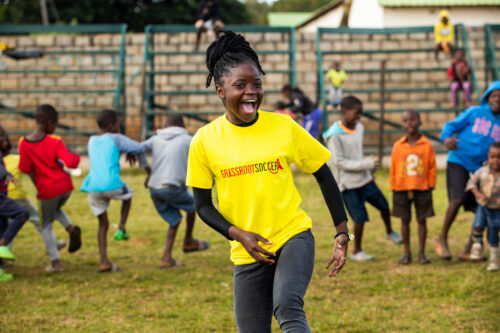
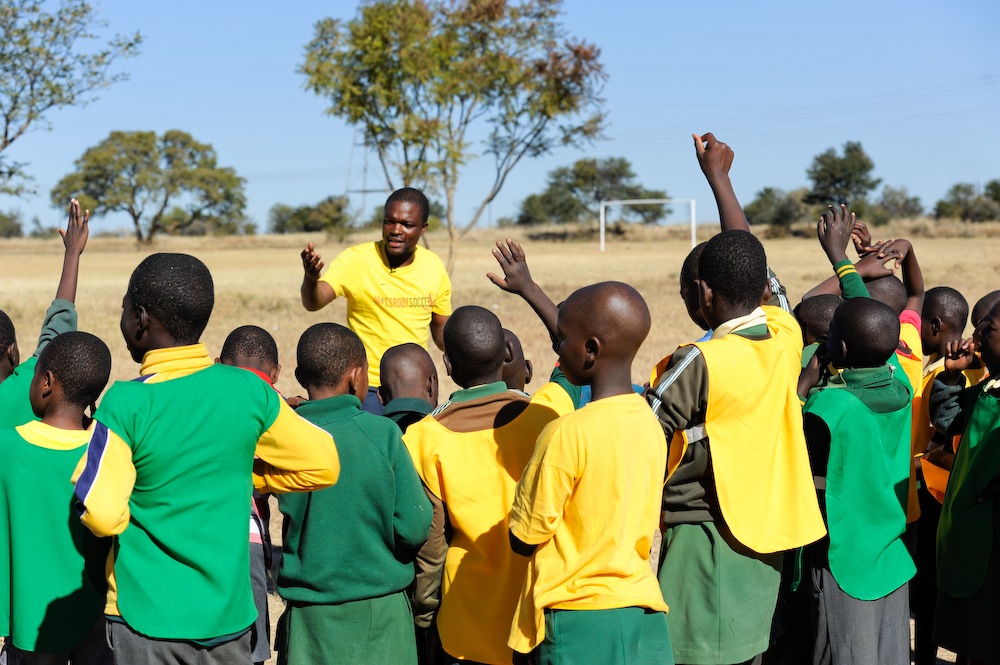
Grassroot Soccer implemented MindSKILLZ, a 12-session sport-based mental health program delivered by trained near-peer coaches, reaching over 4,500 adolescents aged 10–19 across schools, youth centers, and community settings in Bulawayo and Harare.

What the study found

Participants showed significant improvements across all measured outcomes, including mental health knowledge, coping skills, self-concept, and stigma reduction. Nearly two-thirds of participants who completed wellbeing assessments showed clinically meaningful improvements in their overall wellbeing scores

Why this matters

MindSKILLZ demonstrates strong promise as a scalable, community-based approach to adolescent mental health promotion in Zimbabwe. These findings support broader integration into government and community systems to help close a critical gap in youth mental health support.

DETAILED SUMMARY

Importance

  • Adolescents in Zimbabwe face high levels of mental health challenges, including depression and suicidal ideation, alongside stigma and limited access to support.
  • There is a critical gap in scalable mental health promotion and prevention programs, highlighting the need for effective, community-based interventions.

Objective

  • To evaluate whether MindSKILLZ improves mental health knowledge, coping skills, stigma, and well-being among adolescents aged 10–19 years over the course of a 12-session program in schools and community settings in Bulawayo and Harare, Zimbabwe.

Study details

  • Study design: Mixed methods study (no control group)
  • Data collection tools: Attendance registers; pre- and post-questionnaires; WHO-5 well-being index; 8 focus group discussions with participants; 2 focus group discussions with Coaches; 17 key informant interviews with parents, teachers, and stakeholders
  • Participants: Adolescents aged 10–19 years (mixed gender, not living with HIV), youth participants, Coaches, parents, teachers, and stakeholders
  • Implementation setting: Schools, youth centers, soccer academies, and churches in Bulawayo and Harare, Zimbabwe (urban and peri-urban)
  • Study period: June 2024 to March 2025

Intervention

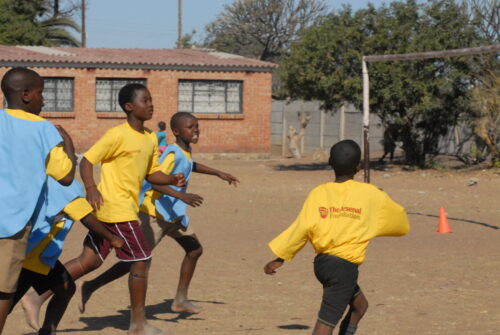
  • MindSKILLZ: Twelve 60-minute sessions delivered once or twice weekly (or condensed into holiday periods) by trained near-peer Coaches (aged 18–35 years) facilitating groups of 25–30 adolescents using soccer-based, interactive life skills activities focused on mental health, coping, and social-emotional learning

Results

  • 4,582 adolescents participated. 88% graduated (attending ≥70% of sessions); nearly 90% attended at least 70% of sessions.
  • 951 participants completed WHO-5 assessments, showing an average increase of 16 points in well-being. 66% experienced clinically meaningful improvement (>10 points).
  • Statistically significant improvements (p<0.001) observed across all measured outcomes, including mental health knowledge, positive coping skills, self-concept, perceived support, stigma reduction
  • Overall improvement across pre/post indicators was +32%, exceeding typical program targets.
  • Quote: “I learnt how to manage my anger and understand now that violence is not the answer.” (Participant)

Conclusions and implications

  • MindSKILLZ demonstrates early signs of feasibility, acceptability, and promising effectiveness in improving adolescent mental health outcomes, supporting its potential for scale through integration into government and community systems.

Citation

Year: 2025

Authors: Grassroot Soccer

Grassroot Soccer. Zimbabwe MindSKILLZ evaluation technical brief. GRS South Africa & Research teams; 2025.

Other Resources