
HIV, Mental health, Resilience

Mixed methods study of GRS’s Resiliency Pilot Program among adolescents in Zambia and South Africa

2006

Brief Summary

Background

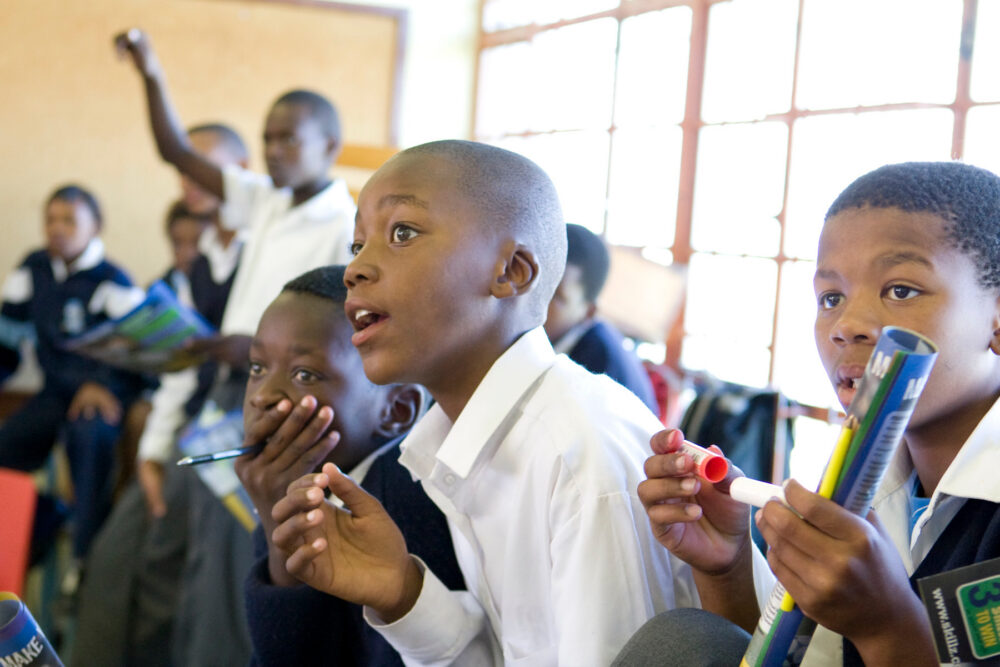
HIV rates among adults in Zambia and South Africa were among the highest in the world in the early 2000s, but schools in both countries struggled to deliver effective HIV and health education to young people.

What Grassroot Soccer did

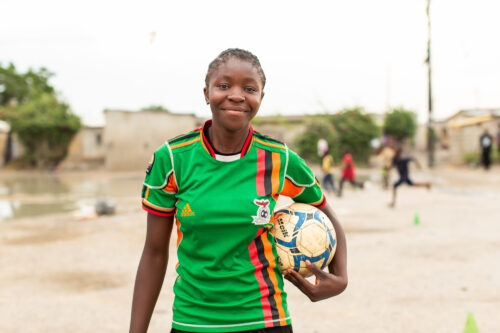
Grassroot Soccer ran a six-week Resiliency Pilot Program with nearly 500 youth aged 10–18 across schools and community sport settings in Zambia and South Africa, using weekly sport-based sessions to build core resilience skills.

What the study found

Participants showed improvements in decision-making, problem-solving, and knowledge of how to support someone living with HIV. Trainers reported stronger facilitation skills and found the program relevant and feasible.

Why this matters

Findings suggest that sport-based programs may be an effective way to build resilience and promote healthy behaviors among adolescents in high-HIV-burden communities.

DETAILED SUMMARY

Importance

  • In 2006, 17 percent of the adult population in Zambia and 18.8 percent of the adult population in South Africa were infected with HIV, and Ministries of Education in both countries had identified delivering HIV/AIDS education as a major challenge.

Objective

  • To evaluate whether the Grassroot Soccer Resiliency Pilot Program improved resiliency and related behaviors among adolescents aged 10–18 years over six weeks in schools and community sport settings in Zambia and South Africa.
  • To assess trainers’ perceptions of the curriculum and identify areas for improvement.

Study details

  • Study design: Mixed-method study (pre- and post-intervention evaluation using quantitative surveys and qualitative interviews), no control group
  • Data collection tools: Pre- and post-intervention questionnaires, participant interviews, trainer group discussions, and site demographic assessments (Zambia). Five weekly trainer reflection/discussion sessions and feedback forms (South Africa).
  • Participants: 457 youth aged 10-18 years, 45 trainers in Zambia; 20 City Year Service Leaders and 150 graduating children in South Africa.
  • Implementation setting: 19 primary schools and 2 football teams across 12 urban and peri-urban areas of Lusaka, Zambia (mixed); 4 schools in Johannesburg, South Africa
  • Study period: 6-week intervention period with pre-surveys administered before program start and post-surveys administered after program completion

Intervention

  • Grassroot Soccer Resiliency Pilot: Weekly sport-based sessions over six weeks, reinforcing four core resilience themes (knowing strengths, building support, planning, acting in the community)

Results

  • 274 student pre/post questionnaires, 29 student interviews, 46 trainers included in discussions.
  • Significant changes in numerous measures of participants’ conceptions of resiliency and decision-making ranging from p<0.05 to p<0.001. For example:
    • Boys’ belief in making their own decisions: pre=60%, post=79%, p=0.002.
    • Girls’ intentions to resolve a problem by themselves: pre=28%, post=38%, p=0.01.
  • Both genders knowing how to support someone living with HIV: boys=27% change, p<0.001; girls=14% change, p=0.004.
  • Many changes indicated a gender convergence, where boys “caught up” to their female peers and girls “caught up” to their male peers on a number of resiliency-promoting factors.
  • Trainers reported improved facilitation skills. They liked the program and found it relevant and feasible; some curriculum modifications were suggested for future iterations.
  • Implementation barriers: Trainer feedback mentioned communicating with school administration and ensuring consistent student attendance after school being some challenges

Conclusions and implications

  • Grassroot Soccer enhances youth resiliency, with lasting effects in self-efficacy, problem-solving, and community participation. This study provides evidence that sport-based group interventions can build assets and promote healthy behaviors in high-risk youth.

Citation

DOI

Year: 2007

Authors: Peacock-Villada P, DeCelles J, Banda PS

Peacock-Villada P, DeCelles J, Banda PS. Grassroot Soccer resiliency pilot program: building resiliency through sport-based education in Zambia and South Africa. New Directions for Youth Development. 2007 Winter;2007(116):141-154. DOI: 10.1002/yd.241.

Other Resources