

Health services, HIV, Implementation, Sexual & reproductive health

Lessons learned implementing SKILLZ programming among youth with intellectual disabilities in South Africa, Nigeria, and Namibia

2018

Brief Summary

Background

Young people with intellectual disabilities face significantly higher risks of violence, sexual abuse, and HIV infection, and are often excluded from health programs and education. They represent an underserved population in global HIV prevention efforts.

What Grassroot Soccer did

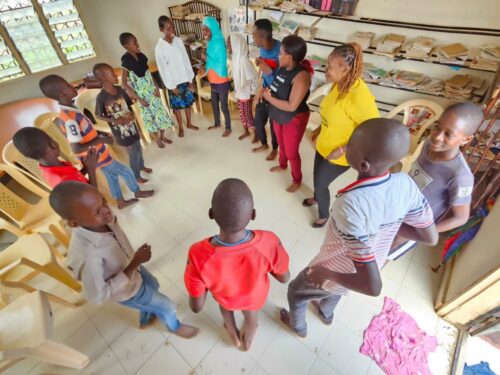
Grassroot Soccer implemented SKILLZ for Life, a sport-based HIV and life skills program, across schools and camps in South Africa, Nigeria, and Namibia, reaching nearly 2,000 young people with and without intellectual disabilities.

What the study found

The program was successfully delivered across three countries. Key lessons included the importance of multi-year funding, simplified and multi-sensory teaching methods, and engaging families and community partners to reduce stigma.

Why this matters

SKILLZ for Life demonstrates that inclusive, sport-based health programs can reach young people with intellectual disabilities. With the right adaptations, these programs have the potential to improve health knowledge and reduce vulnerability in one of the world's most overlooked populations.

DETAILED SUMMARY

Importance

  • Youth with intellectual disabilities are at much higher risk of violence, sexual abuse, are especially vulnerable to HIV infection, and are subject to discrimination. They are also often excluded from HIV intervention programs and have limited access to education and health services.

Objective

  • To evaluate whether SKILLZ for Life can be successfully implemented and scaled among youth with intellectual disabilities in school and camp settings in Nigeria, Namibia, and South Africa over the 2017-2017 internal evaluation period.

Study details

  • Study design: Mixed methods study (no control group)
  • Data collection tools: Pre- and post-questionnaires; 7 focus group discussions; 10 in-depth interviews; 3 semi-structured observation visits
  • Participants: 1,932 mixed gender participants with intellectual disabilities (“Athletes”) and without intellectual disabilities (“Partners”), Special Olympic program staff, grant managers, coaches, teachers, parents of participants
  • Implementation setting: Schools and camp in South Africa (Cape Town, Johannesburg), Nigeria (Lagos, Enugu) and Namibia
  • Study period: Namibia (2009-2010), South Africa (since 2014), Nigeria (since 2016), internal evaluation conducted from 2017-2018

Intervention

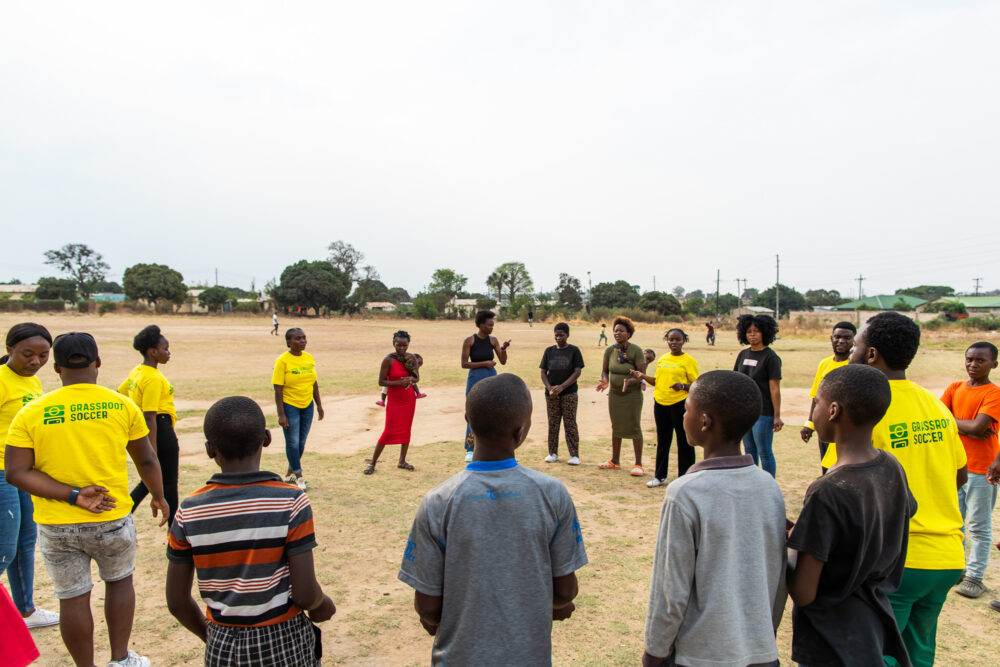
  • SKILLZ for Life: Six 60 minute sports-based sessions delivered by trained Coaches working in pairs to groups of approximately 15 Special Olympics Athletes (youth with intellectual disabilities) and Partners (youth without intellectual disabilities), as well as a graduate and Family Health Forum event providing information and health services (HIV Testing Services).

Lessons learned

  • Invest early and engage stakeholders: Programs need multi-year funding (≥3 years) and early stakeholder involvement.
  • Adapt delivery to learner needs: Use simple, multi-sensory, and iterative curricula tailored to athlete capacity.
  • Prioritize inclusion and access: Involving partners and families reduces stigma and improves outcomes.
  • Use accessible evaluation and training: Apply adapted M&E methods and train staff/stakeholders to work effectively with youth with intellectual disabilities.

Conclusions and implications

  • Lessons from SKILLZ for Life show that supporting youth with intellectual disabilities requires early investment in staff, training, and engaging families and community partners. 
  • Simplifying the curriculum, using repetition and multi-sensory teaching, and incorporating image-based monitoring may improve participant understanding.

Citation

Year: 2018

Authors: Mutongwizo N, Oboh S, Banciu R, Miller S, Hughes K

Mutongwizo N, Oboh S, Banciu R, Miller S, Hughes K. Lessons from implementing SKILLZ for Life: a sport-based HIV and life skills programme for youth with intellectual disabilities in Namibia, Nigeria, and South Africa [poster]. Presented at: 22nd International AIDS Conference (AIDS 2018); 2018 Jul 23-27; Amsterdam, Netherlands.

Other Resources