HIV, Implementation

Qualitative process evaluation of SKILLZ to promote voluntary medical male circumcision among men and adolescent boys in Zimbabwe

2016

Brief Summary

Background

Voluntary medical male circumcision (VMMC) can reduce the risk of female-to-male HIV transmission, and global health agencies have identified schools and sports as promising channels for increasing uptake, particularly among adolescent males. Despite this, Zimbabwe faced challenges reaching national VMMC coverage targets.

What Grassroot Soccer did

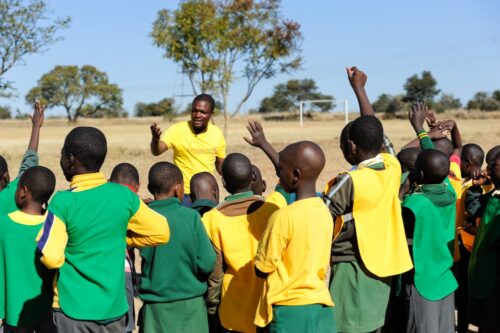
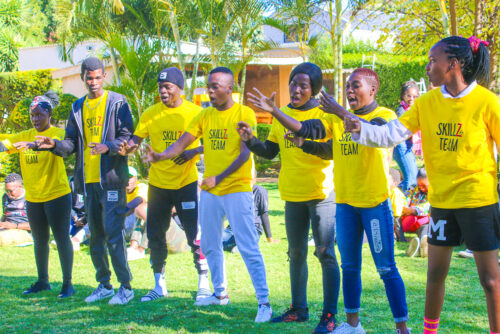
Grassroot Soccer developed and evaluated two soccer-based demand-creation interventions: Make The Cut, for men ages 18–30 on soccer teams, and Make The Cut+, for secondary school boys ages 14–19, both in Bulawayo, Zimbabwe. Each intervention included a 60-minute educational session led by circumcised Coaches, with follow-up behavioral and logistical support. Interviews and focus group discussions with Coaches and participants explored program acceptability and factors influencing VMMC uptake.

What the study found

Both interventions were highly acceptable, with the coach-participant relationship emerging as a key factor in participants' decisions to undergo VMMC. Participants valued Coaches' openness about their own VMMC experiences and their accompaniment to the clinic. Younger participants engaged more readily than older men, and personalized follow-up (phone calls, clinic accompaniment) appeared more effective than mass messaging.

Why this matters

Findings suggest that sport-based, peer-led demand-creation programs can be an effective and scalable approach to increasing VMMC uptake, particularly among adolescent boys, and can help inform future HIV prevention programming in similar settings.

DETAILED SUMMARY

Importance

  • Voluntary medical male circumcision (VMMC) can reduce the risk of female-to-male HIV transmission by 50–60%, and UNAIDS and the World Health Organization have stressed the importance of increasing VMMC uptake among adolescent males, identifying schools and sports as two possible intervention vehicles.
  • Despite this urgency, Zimbabwe was falling short of its national VMMC coverage target, and few studies had examined the effects of sport-based educational programming on VMMC uptake.

Objective

  • To conduct a process evaluation of two sport-based VMMC demand-creation interventions, Make The Cut and Make The Cut+, investigating perceptions of program impact, intervention components, program delivery, participants’ understanding of intervention content, and factors related to uptake.

Study details

  • Study design: Qualitative study (no control group), conducted as a process evaluation alongside two cluster randomized controlled trials
  • Data collection tools: In-depth interviews and focus group discussions with Coaches and circumcised/uncircumcised participants; structured observation of program implementation
  • Participants: Men ages 18–30 on soccer teams (Make The Cut) and secondary school boys ages 14–19 (Make The Cut+); 46 in-depth interviews and 2 focus group discussions conducted with Coaches and participants, alongside 42 implementation observations
  • Implementation setting: Bulawayo, Zimbabwe (urban)
  • Study period: 2012–2014

Intervention

  • Make The Cut (MTC): A 60-minute soccer-themed educational session for men ages 18–30 on soccer teams, led by circumcised Coaches ages 18–30, including a soccer-based activity (“Cut and Cover”), a personal narrative from the Coach about his VMMC experience (“Coach’s Story”), and a question-and-answer period, with SMS follow-up messaging.
  • Make The Cut+ (MTC+): The same 60-minute curriculum adapted for secondary school boys ages 14–19, with follow-up phone calls, Coach accompaniment to the VMMC clinic, and soccer-based incentives for VMMC completion.

Results

  • Findings demonstrated high program acceptability for both interventions, with the Coach-participant relationship identified as a key factor associated with VMMC uptake.
  • Participants valued Coaches’ openness in discussing their personal VMMC experiences and their accompaniment to the VMMC clinic.
  • A related cluster RCT evaluating MTC found weak statistical evidence of an effect on uptake (4.8% among intervention participants vs. 0.5% among controls; OR = 9.81, 95% CI: 0.93–103.2, p = 0.06), while a related RCT evaluating MTC+ found strong evidence of an effect (12.2% vs. 4.6%; OR = 2.65, 95% CI: 1.19–5.86, p = 0.02).
  • Within MTC, younger participants (ages 18–29) had higher VMMC uptake (5.1%) than participants over age 30 (1.1%), and older men were generally perceived as less engaged with the program’s content and messaging.
  • Follow-up SMS messaging received mixed reactions and was often not recalled by participants, while personalized phone follow-up and clinic accompaniment in MTC+ were described as more motivating.
  • Soccer-based incentives were associated with somewhat higher, though not statistically significant, uptake (15.4% among participants offered incentives vs. 9.5% among those not offered incentives; OR = 1.88, 95% CI: 0.68–5.23).

Conclusions and implications

  • Sport-based VMMC demand-creation interventions delivered by circumcised near-peer Coaches were highly acceptable and showed promise in increasing VMMC uptake, particularly among adolescent boys.
  • The Coach-participant relationship, including personal storytelling and clinic accompaniment, appeared central to motivating uptake; further research is needed to adapt engagement strategies for older men and to clarify the role of incentives.

Citation

DOI

Year: 2016

Authors: DeCelles J, Hershow RB, Kaufman ZA, Gannett KR, Kombandeya T, Chaibva C, Ross DA, Harrison A

DeCelles J, Hershow RB, Kaufman ZA, Gannett KR, Kombandeya T, Chaibva C, Ross DA, Harrison A. Process evaluation of a sport-based voluntary medical male circumcision demand-creation intervention in Bulawayo, Zimbabwe. J Acquir Immune Defic Syndr. 2016;72(Suppl 4):S304–S308. doi: 10.1097/QAI.0000000000001172.

Other Resources

View All Resources